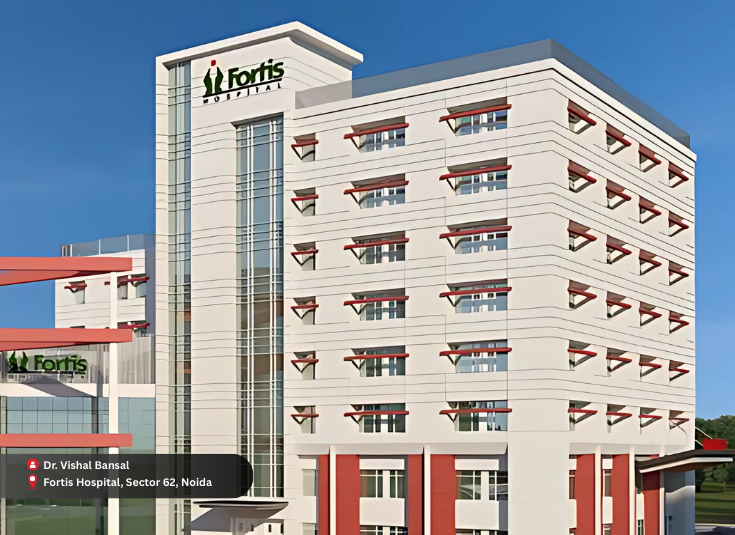
Dr. Vishal Bansal is a highly accomplished Surgical Oncologist with over 15 years of clinical expertise in the management and treatment of complex cancers. He is currently serving as a Senior Consultant in the Department of Surgical Oncology at Fortis Hospital, Noida. Dr. Bansal completed his MBBS and MS in General Surgery, followed by an MCh in Surgical Oncology. To further enhance his skills, he pursued a Fellowship in Minimal Access Onco Surgery, gaining advanced proficiency in laparoscopic and minimally invasive surgical techniques.
His core expertise spans a wide range of cancers, including Head and Neck, Breast, Gynecological, and Gastrointestinal malignancies. Dr. Bansal is particularly known for his skill in performing precision-based surgeries that prioritize faster recovery, reduced complications, and improved outcomes for patients.
In addition to his extensive clinical practice, Dr. Bansal has contributed to important research and publications in oncology, focusing on areas such as postoperative complications and cancer staging. His evidence-based approach, coupled with compassionate patient care, makes him a trusted name in the field of cancer treatment.
Dedicated to delivering excellence, Dr. Vishal Bansal continues to empower patients with hope and confidence through personalized, advanced surgical oncology care.

- Call Us: 7906613375
- Email Us: drvishalbansal2010@gmail.com
Leading Surgical Oncologist in Noida with 15 Years Expertise
Advanced cancer surgeries with compassionate, evidence-based care

Expert in Head, Neck, Breast and GI Cancer Surgeries
Delivering precise, minimally invasive solutions for better recovery

Comprehensive Cancer Care with Skilled Surgical Oncologist in Noida
Specialized treatment for complex cancers with modern techniques

Advanced Laparoscopic and Minimal Access Onco Surgeries in Noida
Safe, effective procedures designed for faster patient recovery

Trusted Surgical Oncologist for Complex Cancer Treatments in Delhi NCR
Personalized care with proven results and advanced expertise
.jpg)
.jpg)
.jpg)
.jpg)
.jpg)
Dr. Vishal Bansal
About Us
Dr. Vishal Bansal – Expert Surgical Oncologist Delivering Advanced Cancer Care in Delhi NCR
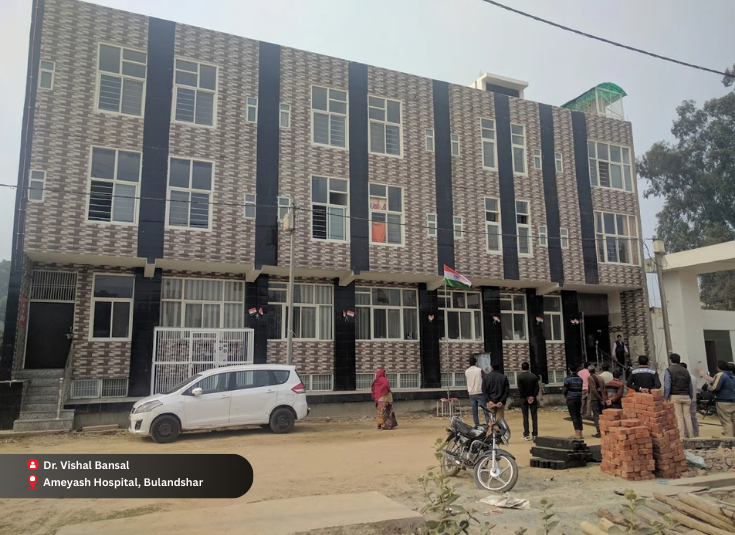
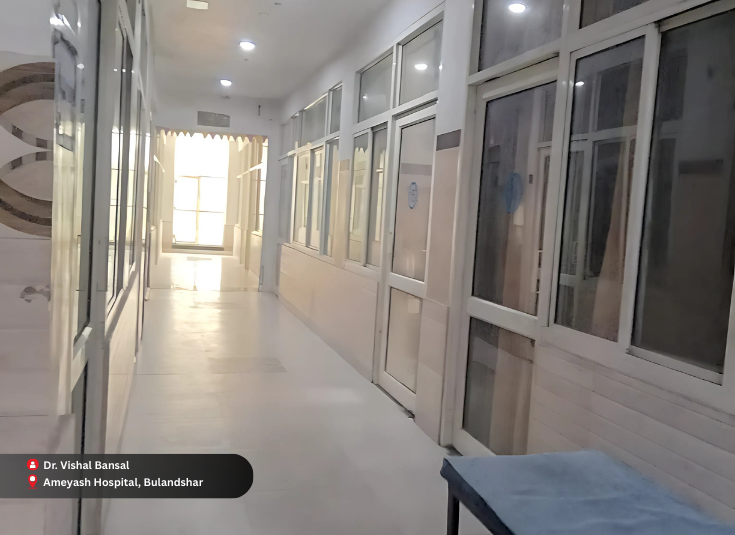
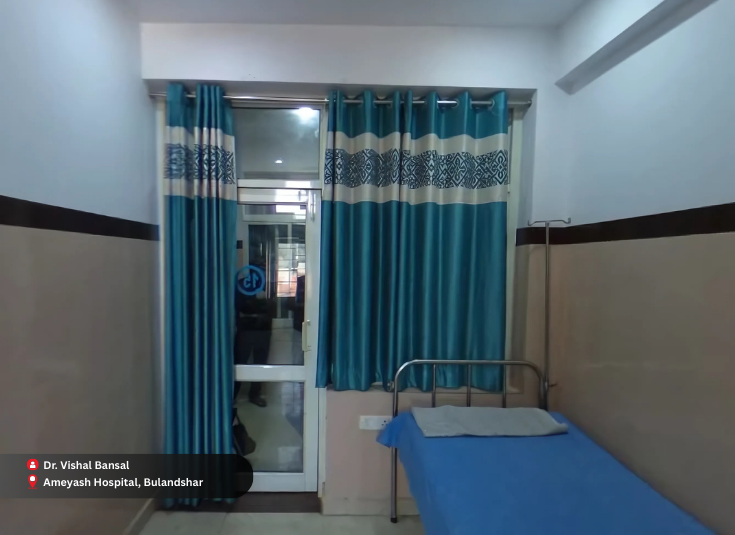
Dr. Vishal Bansal is a dedicated Surgical Oncologist with over 15 years of clinical experience in advanced cancer care. Practicing across leading hospitals including Fortis Hospital, Sector 62, Noida, Fortis Hospital, Surajpur, Greater Noida, Ameyash Hospital, Bulandshahr, and Vardaan Cancer Care, Gaur City Centre, Noida Extension, he is committed to making world-class cancer treatment accessible to patients.
His expertise covers a wide spectrum of oncological surgeries such as head and neck cancers, gastrointestinal cancers, breast and gynecological cancers, thoracic tumors, retroperitoneal tumors, and urological malignancies. He is also skilled in robotic and laparoscopic surgery, offering patients minimally invasive options for faster recovery, reduced pain, and fewer complications.
Dr. Bansal strongly believes in holistic and patient-centered cancer care, where early detection, precise surgery, and palliative support are integrated to improve overall quality of life. His proficiency in minimal access surgeries and reconstructive cancer surgeries ensures not only effective treatment but also functional and cosmetic recovery for patients.
With his compassionate approach and evidence-based practice, Dr. Vishal Bansal continues to serve as a trusted oncologist, providing affordable yet high-quality cancer care across Delhi NCR and beyond.
12+
Years of Experience
1K+
Robotic Cancer Surgeries Performed
10K+
Laparoscopic and Minimally Invasive Cancer Surgeries Performed
25K+
Happy Healthy Patients
Our Specialization

Robotic Surgery

Laparoscopic Surgery

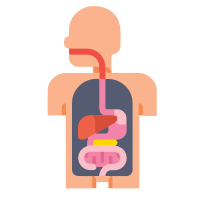
GI Oncology
Retroperitoneal Tumor Surgery

Women Cancers

Palliative Care

Precision Oncology
Our Healthcare Services
Comprehensive, Patient-Centered Care Across a Wide Range of Specialties

Dr. Vishal Bansal
Surgical Oncologist
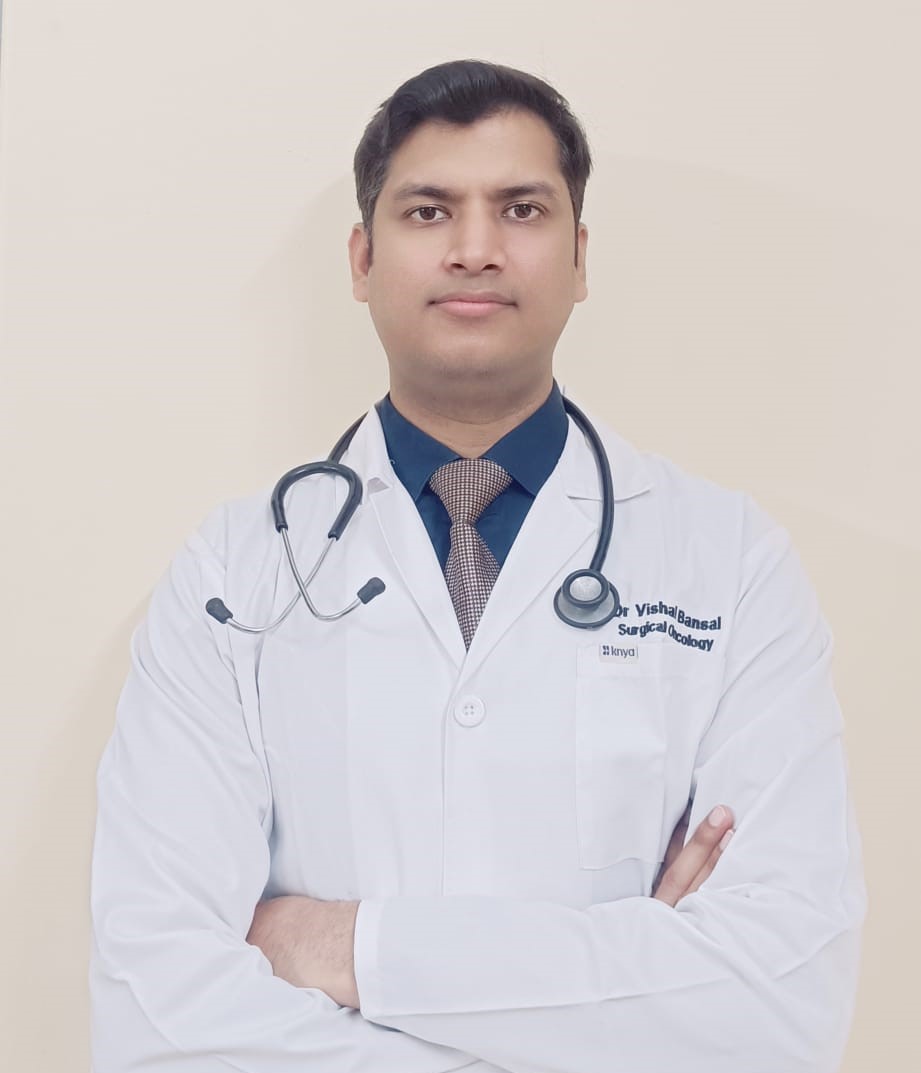
- M.Ch (Surgical Oncology), MS (General Surgery), MBBS
- 12.0 Years Of Experience
- Licence No. 98528-UPMC
- Call
- Video Call
- In person
Media Pictures

Frequently Asked Questions
Need Answers? Find them here...
What is Dr. Vishal Bansal's approach to cancer surgeries at Fortis Hospital, Noida?
Dr. Vishal Bansal, a highly accomplished Surgical Oncologist at Fortis Hospital, Noida, emphasizes precision-based surgeries that focus on faster recovery, reduced complications, and improved outcomes for patients. With over 15 years of clinical expertise, he employs advanced laparoscopic and minimally invasive techniques to treat complex cancers. His evidence-based approach and compassionate patient care make him a trusted name in oncology, offering personalized and advanced treatment plans.
What types of cancers does Dr. Vishal Bansal specialize in treating?
Dr. Vishal Bansal specializes in the treatment of a wide range of cancers, including Head and Neck, Breast, Gynecological, and Gastrointestinal malignancies. As a Senior Consultant in the Department of Surgical Oncology at Fortis Hospital, Noida, he brings over 15 years of clinical expertise to his practice. Known for his skill in laparoscopic and minimally invasive surgical techniques, Dr. Bansal is dedicated to providing precision-based surgeries that prioritize patient recovery and outcomes.
What are minimal access surgeries in oncologic treatments?
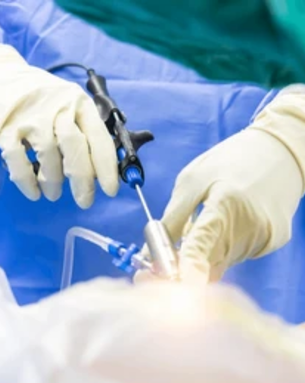
Minimal access surgeries, also known as laparoscopic or keyhole surgeries, involve small incisions to perform surgical procedures. In oncology, they are utilized to remove tumors with less trauma, reduced recovery times, and minimal scarring compared to traditional open surgery. This approach is highly beneficial for patients, as it allows for quicker healing and less postoperative pain, enhancing the overall recovery process.
How important is cancer screening in early detection?
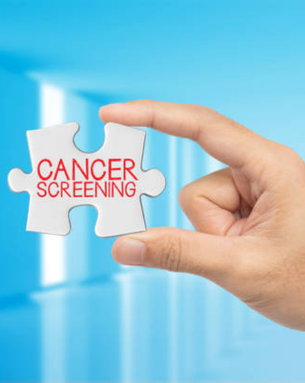
Cancer screening plays a crucial role in the early detection of cancer. It involves tests and exams to find cancer before a person has any symptoms. Early detection through routine screenings can identify cancers at an early stage when they are most treatable, significantly improving survival rates. Regular screenings are recommended for breast, colon, and gynecological cancers, among others.
What does reconstructive cancer surgery entail?
Reconstructive cancer surgery focuses on restoring body aesthetics and functions after cancer removal surgeries. It often involves procedures like breast reconstruction post-mastectomy or facial reconstruction following oral cancer removal. Reconstructive techniques can use implants or grafts taken from other body parts and are crucial in helping patients regain confidence and improve their quality of life post-treatment.
How are oral cancer surgeries performed?
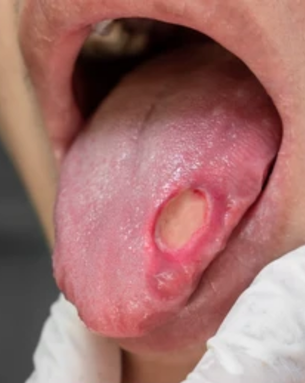
Oral cancer surgeries involve the removal of cancerous tissues from the mouth. Depending on the cancer stage and location, surgeries might include removing small tumors, segments of the jawbone, or parts of the tongue. Surgeons aim to remove all cancer-affected areas while preserving as much function and appearance as possible, often followed by reconstruction to restore oral functionalities.
What advancements have been made in colon cancer surgeries?
Colon cancer surgeries have seen significant advancements, with laparoscopic techniques becoming more common. These minimal access procedures involve removing cancerous sections of the colon through small incisions, leading to faster recovery, less pain, and shorter hospital stays. Advanced imaging and surgical technology have also improved precision, allowing for better outcomes in colon cancer treatments.
What should patients expect during breast cancer surgeries?
Breast cancer surgeries typically involve removing the cancerous tissues, which can range from lumpectomy (removal of the tumor and a small margin) to mastectomy (removal of one or both breasts). Depending on the individual's condition, reconstructive options may be discussed. Patients should expect a multidisciplinary treatment approach, often involving oncology, surgery, and plastic surgery experts to optimize both oncologic and aesthetic outcomes.
Can you explain the role of surgery in treating gynecological cancers?
Surgery is often a primary treatment for gynecological cancers, such as ovarian, uterine, and cervical cancers. It can involve the removal of tumor masses, affected organs, or lymph nodes. In many cases, minimal access surgeries are utilized to reduce recovery time and surgical impact. Post-surgery, patients may undergo additional treatments like chemotherapy or radiotherapy, depending on the cancer type and stage.
What benefits do minimal access surgeries offer in cancer treatment?
Minimal access surgeries, or laparoscopic techniques, offer numerous benefits in cancer treatment, including reduced postoperative pain, faster recovery, and less scarring. These advantages allow patients to return to normal activities more quickly. Such surgeries are applicable in various oncology fields, including colon, gynecological, and some cases of breast cancer, emphasizing their adaptability and effectiveness in modern surgical oncology.
What are the options for reconstructive cancer surgeries post-treatment?
Post-cancer treatment, reconstructive surgery options vary based on the area affected and patient preference. These can include breast reconstruction after mastectomy, using implants or autologous tissue, and facial reconstructions following oral cancers. Techniques aim to restore function and aesthetics, improving the patient's physical appearance and emotional well-being. Reconstructive surgeries are integral parts of comprehensive cancer care plans.
How does cancer screening impact treatment outcomes?
Cancer screenings significantly improve treatment outcomes by facilitating early detection, which often correlates with a higher chance of successful treatment. When cancers are identified before spreading, they are typically easier to treat, requiring less extensive surgeries and reduced need for aggressive therapies. Regular screenings for common cancers, like breast, colon, and gynecological cancers, are key to catching potential issues at a treatable stage.
Location & Location Map
 Address :Fortis Hospital – Sector 62, Noida B-22, Rasoolpur Nawada, D-Block, Sector 62, Gautam Buddha Nagar 201301, Uttar Pradesh Address :Fortis Hospital – Surajpur, Greater Noida, Block D, Industrial Area, Surajpur Site 4, Greater Noida 201310, Uttar Pradesh Address :Ameyash Hospital – Bulandshah, Ananta Enclave, Opposite Block, Village Valipura, Bulandshahr 203001, Uttar Pradesh Address :Vardaan Cancer Care, Gaur City Centre, Charmurti Chowk, Noida Extension, Greater Noida 201318, Uttar Pradesh
Working Hours
MONDAYClosed
TUESDAYClosed
WEDNESDAYClosed
THURSDAYClosed
FRIDAYClosed
SATURDAYClosed
SUNDAYClosed